
What is the Harman Curve? Why 90% of Listeners Prefer It
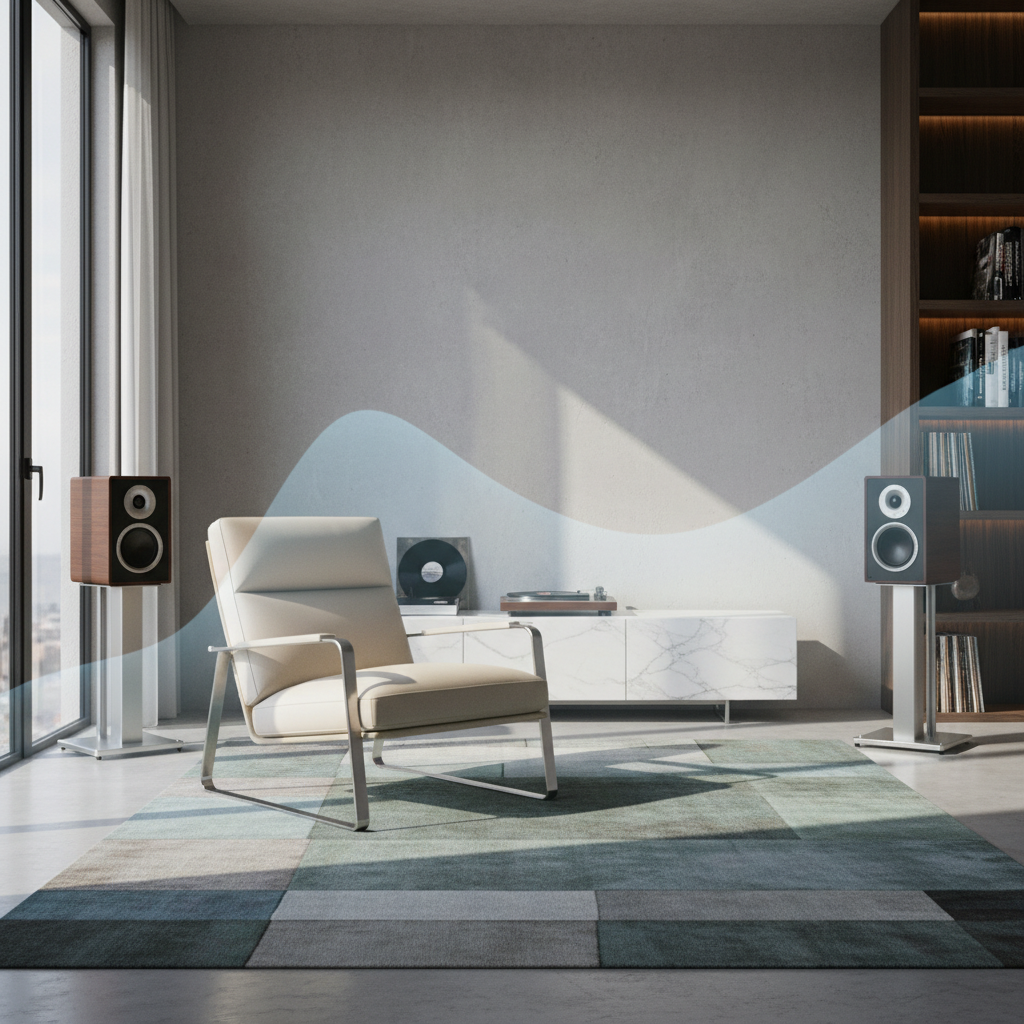
For decades, audio enthusiasts and professionals have debated what constitutes "good" sound. Is it booming bass? Crystal-clear highs? A perfectly flat frequency response? The truth is, what sounds best might be subjective, but science has gotten us remarkably close to an objective standard. Enter the Harman Target Curve—the most scientifically validated approach to achieving audio excellence.
The Science Behind the Harman Curve
The Harman Curve isn't just one person's opinion or marketing fluff. It's the result of over two decades of rigorous scientific research conducted by Harman International's world-class acoustics team, led by Dr. Sean Olive—one of the most respected names in audio research.
Between 1995 and 2019, Dr. Olive and his team conducted extensive double-blind listening tests with over 400 listeners from different countries, ages, and musical backgrounds. They tested everything from rock and classical music to movie soundtracks, using dozens of different speakers in controlled acoustic environments.
The results were remarkable: Despite cultural differences, age gaps, and varying musical preferences, approximately 90% of listeners consistently preferred the same frequency response characteristics. This became known as the Harman Target Curve.
What Makes the Harman Curve Special?
The Harman research revealed three key frequency response characteristics that most people prefer:
1. Controlled Bass Enhancement (20Hz-200Hz)
- A gentle rise in bass frequencies, peaking around 40-80Hz
- Adds warmth and impact without sounding bloated or muddy
- Compensates for the fact that most rooms naturally roll off deep bass
2. Smooth, Natural Midrange (200Hz-2kHz)
- Relatively flat response through vocal and instrumental frequencies
- Ensures dialogue clarity and natural instrument timbre
- Avoids the harsh "shout" that comes from midrange peaks
3. Gentle High-Frequency Slope (2kHz-20kHz)
- Controlled rolloff in the highest frequencies
- Prevents listener fatigue during long sessions
- Maintains detail while avoiding harshness
See Your Room Against the Harman Target
Understanding the theory is one thing, but seeing how your room compares to the target makes all the difference. The interactive chart below shows a typical untreated room's frequency response (blue line) compared to the Harman Target Curve (green line).
Notice the dramatic peaks and valleys in the "Your Room" response—these are what cause muddy bass, unclear dialogue, and listening fatigue.
Why Most Rooms Fail the Harman Test
Even expensive audio systems in beautiful homes often have significant deviations from the Harman curve. Common problems include:
- Room modes that create 10-15dB peaks and nulls in the bass
- Reflections from walls and furniture that cause comb filtering
- Poor speaker placement that skews the entire frequency balance
- Acoustic treatment that's either missing or incorrectly applied
These issues aren't just technical curiosities—they directly impact your listening experience, making music sound unnatural and movies less immersive.
How to Use the Harman Curve in Practice
For Beginners: Start with Speaker Placement
Before buying acoustic panels or expensive room correction software, optimize your speaker placement. This single change can often get you 70% of the way to the Harman target:
- Position speakers to form an equilateral triangle with your listening position
- Keep speakers away from walls to minimize boundary effects
- Ensure tweeters are at ear level when seated
For Enthusiasts: Measure and Compare
Use measurement software like Room EQ Wizard (REW) to capture your room's frequency response, then compare it to the Harman curve:
- Look for peaks above +3dB—these create boomy, unnatural sound
- Identify dips below -3dB—these cause weak or missing frequencies
- Pay special attention to the 80Hz-2kHz region where most musical content lives
For a complete guide to understanding REW measurements and what they reveal, see REW Shows You The Problem. AudioBro Explains What To Do About It.
For Power Users: Targeted EQ and Treatment
Once you understand your room's deviations from the Harman curve, you can:
- Use parametric EQ to tame the worst peaks (but avoid boosting deep nulls)
- Add acoustic treatment at reflection points
- Consider room correction software like Dirac Live or Audyssey
The AudioBro Advantage: Harman Analysis Made Simple
While the Harman curve provides the roadmap to great sound, applying it to your specific room and system can be overwhelming. That's where AudioBro's AI analysis comes in.
Simply upload your room measurements, and our AI will:
✅ Compare your response to the Harman target with precision
✅ Identify the specific problem frequencies holding back your system
✅ Provide step-by-step guidance for each improvement
✅ Track your progress as you make changes
No more guessing. No more forum debates. Just clear, actionable steps to achieve the sound that 90% of listeners prefer.
Beyond the Harman Curve: THX and Studio Standards
While the Harman curve represents the gold standard for home listening, AudioBro also supports comparison with other industry targets:
- THX Surround Standards for movie-focused systems
- Studio Monitor References for music production setups
- Custom targets based on your specific preferences
This flexibility ensures that whether you're a casual music listener or a professional audio engineer, you can optimize your system for your specific needs.
Real Results: What to Expect
When you align your system with the Harman curve, you'll typically notice:
Immediate Improvements:
- Clearer dialogue in movies and TV shows
- Tighter, more controlled bass that doesn't overwhelm
- Less listening fatigue during long sessions
- Better instrument separation in complex music
Long-term Benefits:
- Consistent sound quality across different types of content
- Improved appreciation for well-recorded music
- Professional-level audio without professional-level costs
- Future-proof setup that works with any source material
Start Your Harman Curve Journey Today
Ready to discover what your system is truly capable of? AudioBro makes it simple to compare your room against the Harman curve and get actionable improvement recommendations.
Whether you're working with a $1,000 budget system or a $100,000 high-end setup, the Harman curve provides a scientifically validated roadmap to exceptional sound. Don't let room acoustics and poor setup waste your investment—let AudioBro show you the way to audio excellence.
The Harman curve represents over 20 years of peer-reviewed acoustic research. For the complete technical details, see Dr. Sean Olive's published papers in the Journal of the Audio Engineering Society.