
Why You (Probably) Need Two Subwoofers
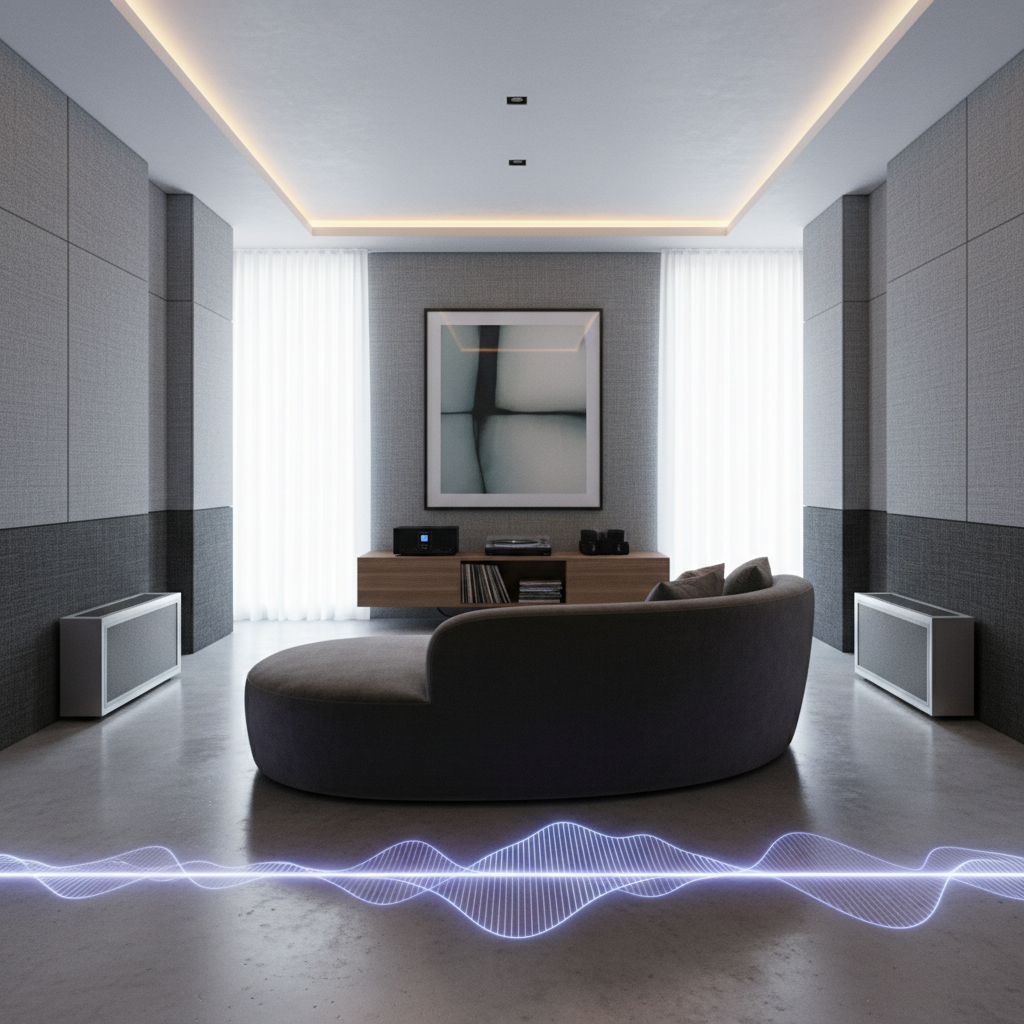
When people think about upgrading their home theater, they often focus on bigger speakers or a more powerful receiver. But one of the most dramatic improvements you can make is adding a second subwoofer.
"But I don't want overwhelming bass!" is a common concern. The goal of adding a second sub isn't just more bass; it's better bass for every seat in the room.
The Problem with a Single Subwoofer
A single subwoofer interacts with your room's acoustics to create standing waves. This results in:
- Peaks: Areas where certain bass frequencies are overwhelmingly loud and boomy.
- Nulls: Areas where those same frequencies are almost completely cancelled out, resulting in weak, anemic bass.
This means that the bass response can vary dramatically from one seat to another. The person in the "money seat" might have great bass, while someone sitting a few feet away hears almost none.
The Dual-Subwoofer Solution
By placing two subwoofers in strategic locations, you can smooth out the room's bass response. The sound waves from the two subs interact in a way that cancels out the peaks and fills in the nulls across a much wider listening area.
The result is:
- Smoother, more consistent bass for every listener.
- Tighter, more articulate bass with less boominess.
- Increased headroom, meaning the system can play louder without distortion.
Where to Place Them?
The optimal placement for dual subwoofers depends on your room's dimensions. Common starting points include:
- Midpoints of opposing walls.
- Corners of the room.
However, the only way to know for sure is to measure. AudioBro's Room Tuning analysis can help you find the best spots for your subwoofers to achieve the smoothest possible bass response.